ResearchRabbit: AI Research Discovery & Mapping Tool
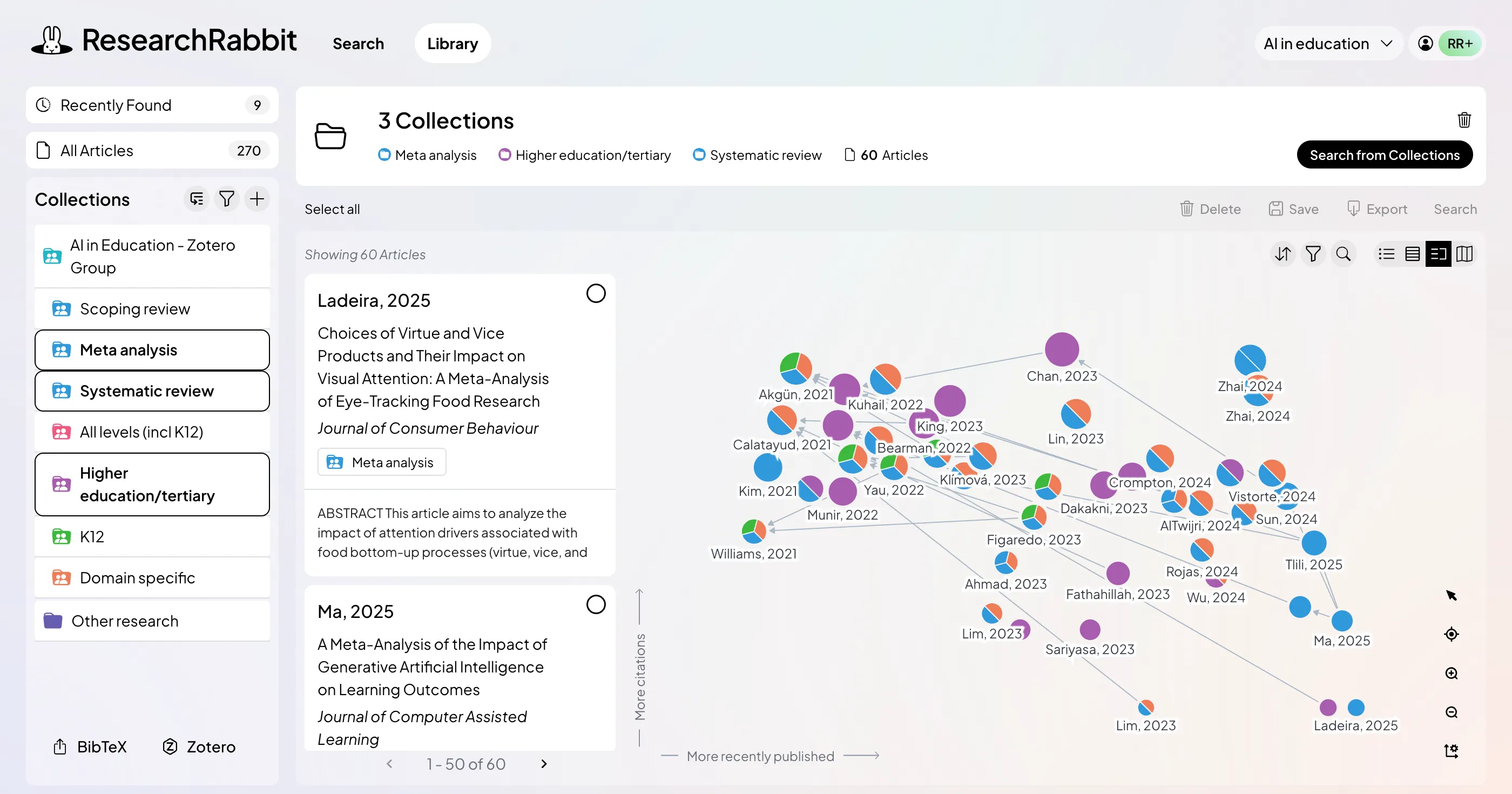
ResearchRabbit is an AI-driven research platform that helps academics discover, visualize, and organize scientific literature through interactive citation maps and personalized recommendations.
Overview
ResearchRabbit reimagines how researchers navigate the ever-expanding world of academic literature. By combining machine learning with intuitive visual mapping, the platform helps users uncover relevant papers, trace citation networks, and identify co-authorship connections that might otherwise stay hidden in traditional search tools. As you build collections of papers that interest you, ResearchRabbit quietly learns your research preferences, refining its suggestions over time so you spend less time searching and more time reading what matters.
Beyond discovery, the platform doubles as a collaborative workspace. Teams and research groups can share collections, leave comments, and jointly explore literature maps, making it especially useful for literature reviews, grant proposals, or onboarding new team members into a research area. Alerts keep users informed of new, relevant publications without flooding their inbox with noise—ResearchRabbit only notifies when it's confident the content truly matches your interests.
Whether you're a PhD student building your first literature review or a seasoned scientist tracking emerging trends in your field, ResearchRabbit's visual-first approach to research management offers a refreshing alternative to spreadsheet-based citation tracking and manual database searches.
Capabilities & Features
- Literature review
- Research discovery
- Citation analysis
- Academic research
- AI-powered research
- Research collaboration
- Paper visualization
- Scientific research
Core Features
- Personalized paper recommendations based on collection activity
- Interactive visualizations of citation and co-authorship networks
- Real-time trend tracking across research fields
- Collaborative collections with commenting features
- Automated alerts for newly published relevant papers
Use Cases
- Discovering relevant research papers without manual database searching
- Visualizing connections between papers, authors, and citation trails
- Collaborating with colleagues or lab members on shared research collections
- Staying current on emerging trends within a specific field
- Compiling comprehensive literature reviews for papers, theses, or grants
Best For
- Academic researchers
- Scientists
- PhD and graduate students
- University faculty
- Research teams and labs
Pros
- •Learns and adapts to user interests for increasingly accurate recommendations
- •Visual citation mapping makes it easy to explore research connections at a glance
- •Collaboration features support team-based literature reviews
- •Smart alert system reduces email clutter by only sending relevant updates
- •Helps uncover papers and authors that traditional keyword search might miss
Cons
- •Recommendation quality depends heavily on how well collections are curated
- •Visual network maps can feel overwhelming for very broad or interdisciplinary topics
- •Lacks transparent pricing information, making it unclear what's included in free vs paid tiers
- •May require a learning curve for researchers used to traditional citation managers
How to Use
Start by creating a collection and adding a few seed papers relevant to your research topic. ResearchRabbit will analyze these papers to generate personalized recommendations and build interactive visualizations showing citation networks and co-authorship connections. From there, explore related papers, follow citation trails to related work, and add promising results to your collections to further refine your recommendations. Invite collaborators to shared collections to comment and contribute, and enable alerts to get notified when new relevant papers are published in your area of interest.
Frequently Asked Questions
Open in AI Studio
Ask our AI to evaluate if ResearchRabbit fits your specific workflow.
Connect & Contact
Pricing
Specific pricing details are not publicly listed, so prospective users should check directly with ResearchRabbit for current plan options and any free-tier limitations.
Pricing data is provided as a summary. Visit the vendor website for full tier details.